Why the Arctic Is Becoming a Geopolitical Hotspot
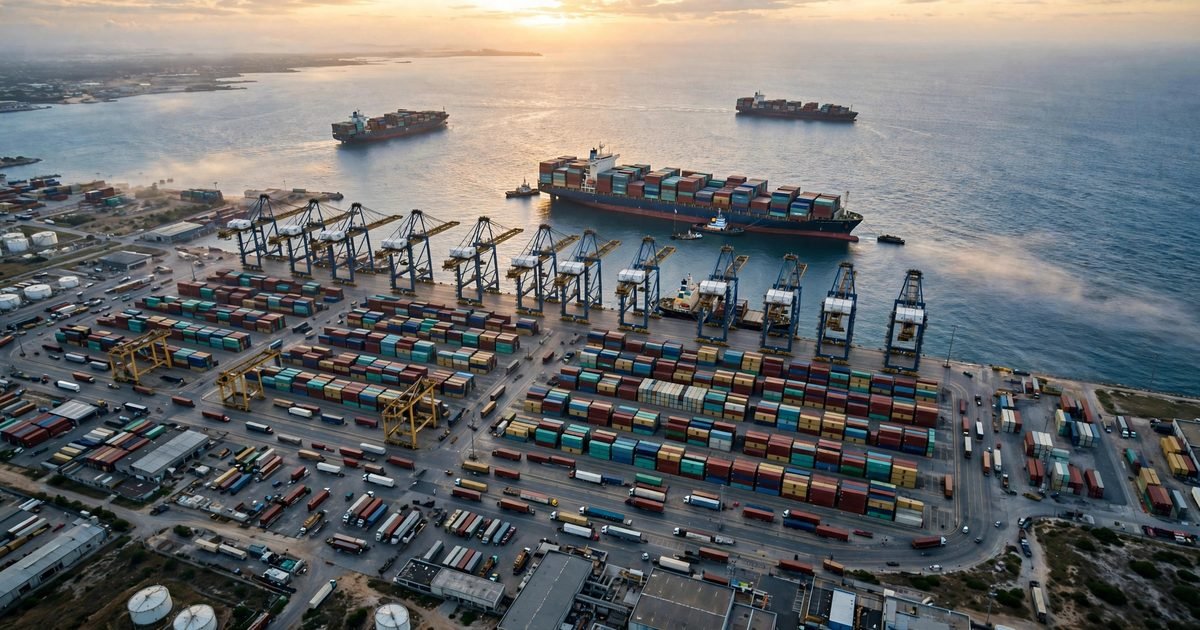
The Arctic spent the Cold War as a frozen buffer zone and the decades after as a model of cooperation. That era is ending. As sea ice retreats, the far north is becoming an arena of strategic competition — over shipping lanes, seabed resources, and military positioning.
The transformation is physical before it is political. Summer sea ice has shrunk dramatically over recent decades, opening waters that were impassable within living memory. What was once a barrier is becoming a corridor.
New routes, new resources
Arctic shipping routes can dramatically shorten voyages between Asia and Europe compared with southern passages. Traffic remains modest — ice, darkness, and thin infrastructure limit operations — but it is growing, and states are investing in icebreakers and ports to capture it.
Beneath the seabed lie significant hydrocarbon and mineral deposits. Estimates vary widely and extraction in such conditions is enormously expensive, but the mere possibility shapes claims and counter-claims over continental shelves under international maritime law.
The competition — and the cooperation
Arctic states have overlapping interests and overlapping claims. Military activity has increased: reopened bases, patrols, and exercises signal that the region is now factored into defense planning. Non-Arctic states, notably major Asian powers, have declared themselves stakeholders, seeking observer roles and investment footholds.
Yet cooperation persists alongside competition. Coast guards coordinate search and rescue; scientists share data; fisheries agreements manage shared stocks. The Arctic Council, the region's main forum, has weathered geopolitical storms better than many expected — though its limits are increasingly tested.
- Retreating ice is opening shipping routes and lengthening the navigable season.
- Resource estimates drive legal claims over continental shelves.
- Military buildup coexists with functioning scientific and rescue cooperation.
Often overlooked in great-power narratives are the Arctic's Indigenous peoples, whose organizations hold permanent participant status in regional forums — a unique arrangement in international governance. Their priorities — environmental protection, sustainable livelihoods, and a voice in decisions affecting their homelands — cut across the strategic competition. Any durable Arctic order will need their consent, not just the assent of distant capitals.
What the Arctic's future holds
The central question is whether competition stays managed. The region's harshness imposes a natural check — no one operates easily in the high Arctic — but climate change is steadily lowering that barrier. Governance built for a frozen, empty region must adapt to a busier, more contested one.
How the Arctic is managed may become the template for governing other newly accessible frontiers. The stakes extend well beyond the pole.
Related Stories
 World
WorldHow International Students Reshape Universities and Cities
Tuition economics, campus culture, and housing impacts: the global student mobility story.
 World
WorldHow Cities — Not Nations — Are Leading on Climate Action
City-led climate networks are bypassing national gridlock with building codes, transit, and procurement power.
WorldWhy Southeast Asia Is the New Manufacturing Frontier
Supply-chain shifts, industrial parks, and the workforce story behind the region's factory boom.