Why the Bundesliga's Fan Ownership Model Is Unique

In an era when football clubs are bought by billionaires and Gulf states, one major league does things differently. German clubs cannot simply be purchased: the rules require that members — the fans — retain majority control. This is the 50+1 rule, and it makes the Bundesliga the great exception in modern football's age of concentrated ownership.
The model shapes everything about German football, from ticket prices to transfer policy. Understanding it explains why the Bundesliga feels different — and why the debate about its future never ends.
The 50+1 rule, explained
The principle is simple: a club's members must hold at least 50 percent of voting rights, plus one additional vote — guaranteeing supporter control over key decisions. An investor can pour in money, sponsor lavishly, even hold a large minority stake, but cannot seize control against the members' will. Bayern Munich, Borussia Dortmund, and most of the league operate under this structure.
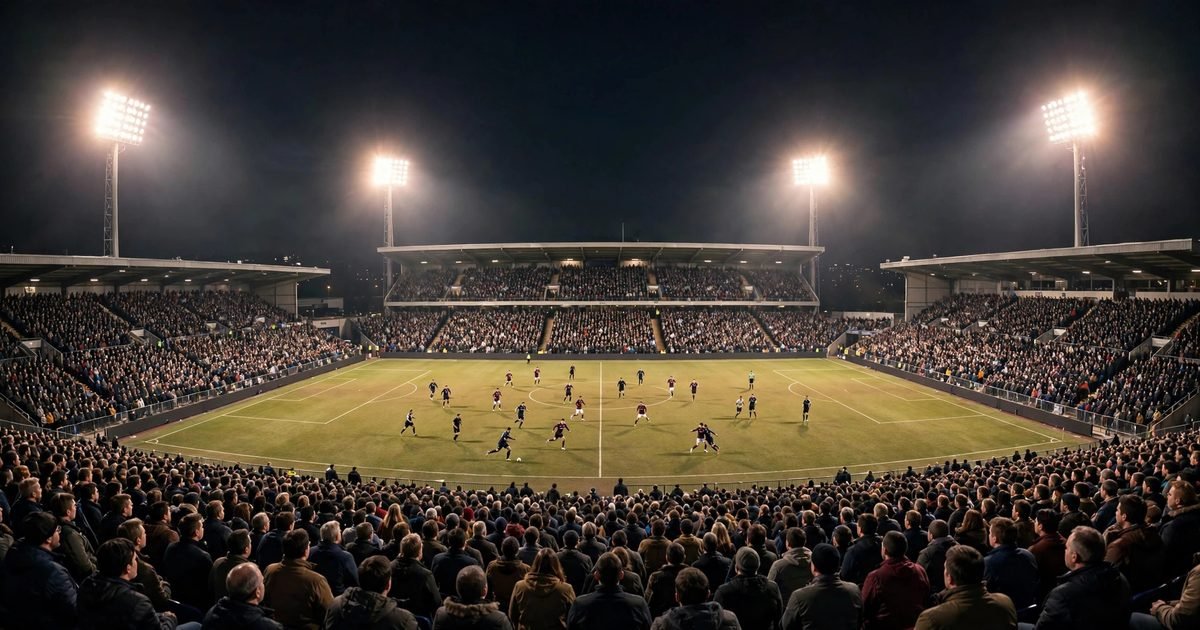
The effects are visible in the stands. German ticket prices are famously low — standing terraces for the price of a pizza — because member-controlled clubs answer to supporters, not profit-maximizing owners. Stadiums are full, atmospheres are legendary, and the connection between club and community remains tangible in a way England's foreign-owned giants struggle to match.
There are exceptions and tensions. Long-standing sponsors with decades of involvement have been granted exemptions, and one famous club built on corporate backing tests the rule's boundaries. Reformers argue 50+1 leaves German clubs undercapitalized against state-backed rivals in European competition.
Fan culture as competitive advantage
What the model loses in spending power, it gains in sustainability. Bundesliga clubs carry little debt, rarely face administration, and invest heavily in academies — developing talent rather than buying it. The league's commercial growth has been steady rather than explosive, built on full stadiums and loyal audiences.
The deeper question is philosophical: who is a football club for? The German answer — its members, its city, its supporters — stands as a living counterargument to football's financialization. Whether it can survive the economics of the modern game is the Bundesliga's defining debate.
- 50+1 guarantees fans majority voting control of their clubs.
- Result: low ticket prices, full stadiums, little debt.
- Trade-off: less outside capital than state-owned rivals can deploy.
As ownership controversies swirl across European football, the Bundesliga's member model looks less like an anachronism and more like a prophecy. German fans did not just keep their clubs. They kept an idea of what clubs are for.
Related Stories
 Sports
How Marathon Runners Fuel 42 Kilometers
Glycogen, gels and race-day science: the nutrition strategy behind the marathon.
 Sports
How Cricket's T20 Format Conquered World Sport
Three hours, fireworks, franchises: the invention that remade cricket's economy.
SportsHow the NBA Became a Global Entertainment Product
Marketing, stars and international expansion: the making of basketball's empire.