How Climate Summits Reach Agreements (and Why They Fail)
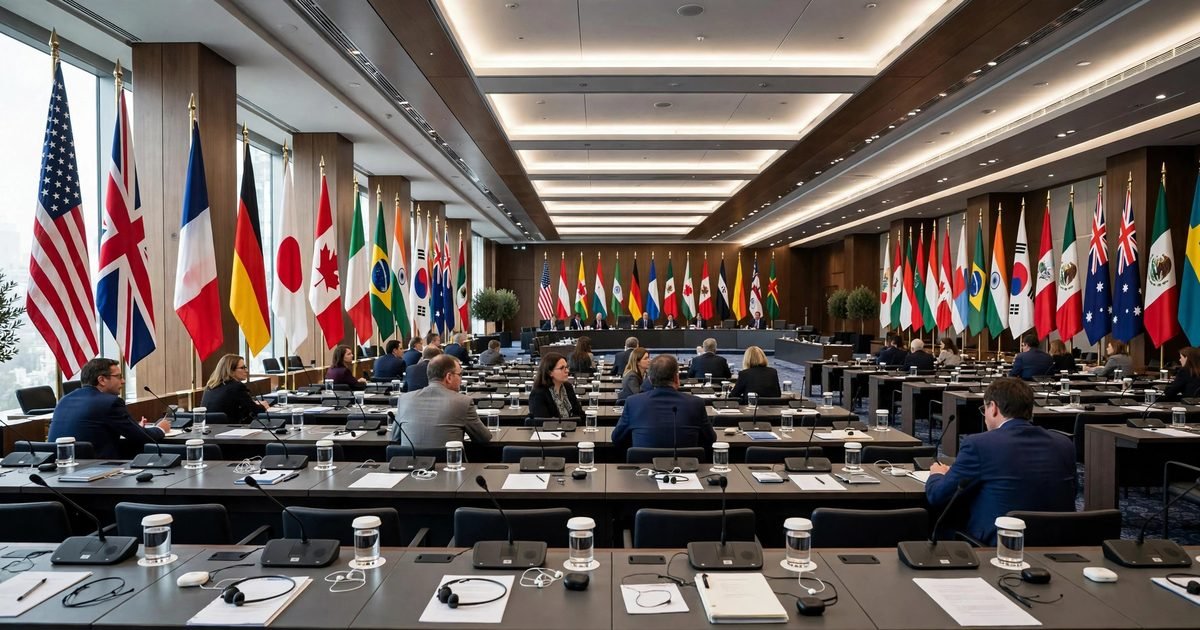
Every year, tens of thousands of delegates converge for the UN climate summit — a sprawling negotiation that routinely runs past deadline into bleary all-night sessions. Sometimes it produces historic agreements; often it produces disappointment. Understanding how these summits work explains both outcomes.
The core challenge is structural: nearly 200 countries with wildly different responsibilities and vulnerabilities must agree on collective action, with decisions taken by consensus — meaning any single country can block.
How negotiations actually work
The summit is really hundreds of parallel negotiations: on emissions targets, finance for developing nations, adaptation, technology transfer, and the rulebook for tracking it all. Draft texts shuttle between technical groups and ministerial huddles, with the presidency brokering compromises in the final days.
Consensus rule gives small states real power — a single objection can stall everything — but it also guarantees that outcomes reflect the lowest common denominator. Ambition gets negotiated down to what the most reluctant major party will accept.
Why pledges fall short
The gap between promises and action is the summits' defining feature. National pledges are voluntary, enforcement is essentially peer pressure, and finance commitments to developing nations have repeatedly missed their targets. Each summit declares progress; the atmosphere keeps score differently.
Yet the process has achieved things nothing else could: a universal temperature goal, regular ratcheting of pledges, and a transparency framework that makes backsliding visible. The question is whether visibility translates into speed.
- Consensus decision-making gives every country a veto.
- Parallel negotiating tracks cover targets, finance, and adaptation.
- Pledges are voluntary; enforcement relies on transparency and peer pressure.
Much hinges on the COP presidency — the host country that sets the agenda and brokers the final deal. A skilled presidency can coax consensus from division through relentless shuttle diplomacy in the closing days; a weak one watches talks collapse. The choice of host is itself political, and presidencies have used the spotlight to showcase their own climate credentials — with varying credibility.
Do summits still matter?
Critics call the summits bloated talking shops; defenders argue no other forum forces every government to publicly account for its climate plans on a fixed cycle. Both have a point. The summits will not solve climate change alone — but the trajectory of global action is measurably different because they exist.
The real test is not the closing declaration but what happens in the years between summits, when promises meet budgets.
Related Stories
WorldHow International Students Reshape Universities and Cities
Tuition economics, campus culture, and housing impacts: the global student mobility story.
 World
WorldHow Cities — Not Nations — Are Leading on Climate Action
City-led climate networks are bypassing national gridlock with building codes, transit, and procurement power.
 World
WorldWhy Southeast Asia Is the New Manufacturing Frontier
Supply-chain shifts, industrial parks, and the workforce story behind the region's factory boom.