How Esports Arenas Fill Stadiums
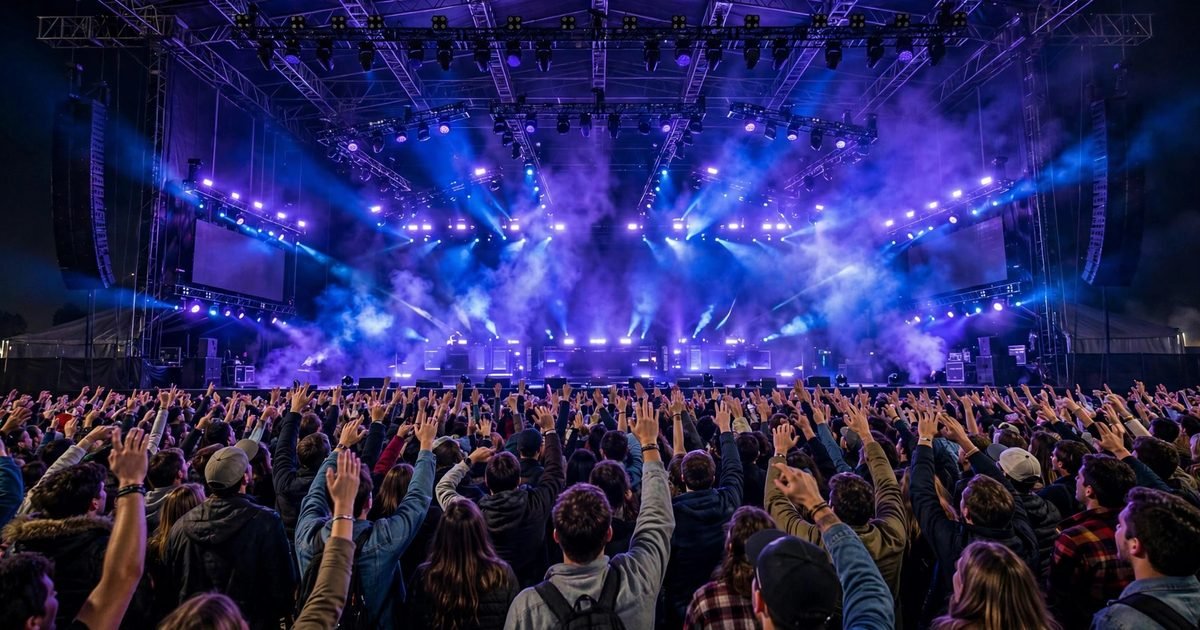
Not long ago, the idea of thousands of people packing a stadium to watch other people play video games sounded like a joke. Today it is a business. Purpose-built esports arenas host roaring crowds, and championship finals fill venues that usually stage superstar concerts. Competitive gaming completed the journey from basement hobby to live entertainment industry — and the arenas are its cathedrals.
Built for broadcast first
Esports venues are engineered differently from traditional stadiums. The action happens on screens, so sightlines, giant displays and broadcast infrastructure matter more than proximity to a field. Production compounds the spectacle: live commentary, instant replays, player face-cams and arena-wide light shows turn a match into theater. The best venues feel like a hybrid of sports arena, concert hall and television studio — because they are all three at once.
The economics of the crowd
Revenue stacks like any live event: tickets, sponsorships, merchandise, concessions and media rights. Sponsors prize the demographic — young, tech-savvy, hard to reach through traditional advertising — and pay accordingly. Teams have learned from sports franchises, selling jerseys, signing stars and building regional fan identities. The volatility is real — game popularity shifts faster than sports leagues — but the live model proved that esports fandom is not just screen-deep.
Beneath the stadium spectacle, a grassroots pipeline keeps the talent flowing. Collegiate esports programs now offer scholarships, amateur leagues feed semi-pro circuits, and ranked ladders function as the world's largest open tryout — anyone with a PC and talent can theoretically climb to pro. Sponsorship diversified beyond gaming brands: automakers, banks and fast-food chains all buy into esports audiences. This broadening matters because it de-risks the business: when the money comes from mainstream sponsors rather than just game publishers, the scene survives individual titles fading. The arena shows are the visible tip; the base is millions of amateurs who will never go pro but buy the jerseys, watch the streams and fill the seats.
Why being there matters
Fans could watch every match free from home, yet they travel across countries to attend. The draw is belonging: chanting with thousands of people who understand the same obscure strategies, meeting online friends in person, witnessing history. Every entertainment format that survives learns this lesson — the content may be digital, but the community wants a physical place to gather. Arenas gave esports its gathering place.
The arena era proved the skeptics wrong: competitive gaming was never just content to consume alone. It was a spectator sport waiting for its stadium — and now that the stadiums exist, they are not emptying anytime soon.
Related Stories
EntertainmentHow video game budgets overtook Hollywood's
A plain-English explainer: a comparison of AAA budgets with film and where the money goes.
 Entertainment
What Nollywood's rise means for African cinema
A plain-English explainer: an overview of the industry's volume, stars and global reach.
 Entertainment
How Hollywood blockbusters are actually financed
A plain-English explainer: an overview of through studios, presales and tax incentives.