How Peacekeeping Missions Work — and Why They Fail
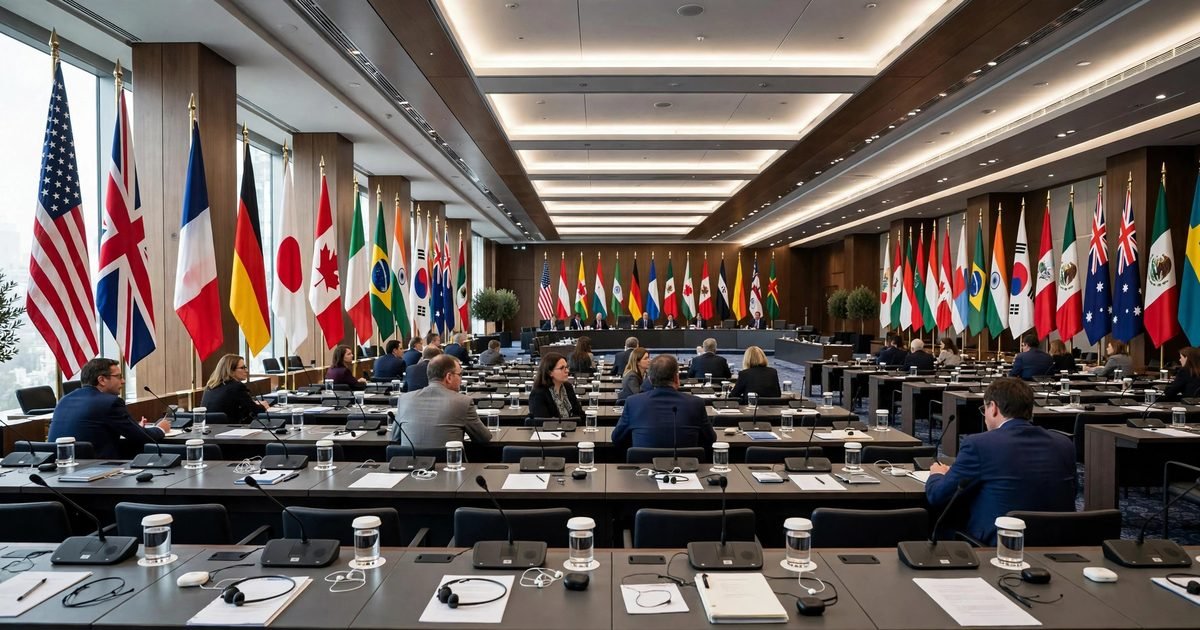
Blue helmets are among the most recognizable symbols of international order — soldiers deployed not to win wars but to keep fragile peaces. UN peacekeeping has separated combatants, protected civilians, and shepherded countries toward elections. It has also failed catastrophically, standing by during atrocities it was sent to prevent.
Understanding how missions work — and why they succeed or fail — means looking past the symbolism to the mechanics: mandates, money, and the politics of the countries that supply the troops.
How missions are built
Every mission begins with a Security Council mandate defining what peacekeepers may and may not do — patrol, protect civilians, support elections, disarm fighters. Troops are contributed voluntarily by member states, with developing nations providing the bulk of personnel and wealthy nations most of the funding.
This creates a structural tension: those who pay do not bleed, and those who bleed do not command. Missions are often under-resourced for their mandates, with vague instructions that leave commanders guessing how far they may go to protect civilians under attack.
Why some succeed and others fail
Success correlates with a few factors: a real peace to keep (missions deployed into active war without consent fail), clear and achievable mandates, and sustained political backing. Where these exist, peacekeeping has helped countries transition from civil war to stable governance.
Failures share a pattern: impossible mandates, great-power indifference, and rules of engagement that prize force protection over civilian protection. The worst episodes — where peacekeepers watched atrocities unfold — led to doctrinal reforms emphasizing the responsibility to protect civilians, though implementation remains uneven.
- Troops come mostly from developing nations; funding mostly from wealthy ones.
- Missions need a genuine peace agreement to succeed — they cannot impose one.
- Vague mandates and under-resourcing are the classic recipes for failure.
Regional organizations are increasingly sharing the burden. The African Union, for instance, has deployed its own missions where the UN could not or would not act, sometimes later transitioning them into UN operations. These partnerships combine regional legitimacy with UN resources — but they also raise hard questions about funding, command, and who sets the mandate when interests diverge.
The future of peacekeeping
Today's missions face drones, disinformation, and non-state actors the original doctrine never imagined. Reform efforts push for more agile, better-equipped forces and clearer civilian-protection mandates. Whether member states will fund that vision is the open question.
Peacekeeping remains, for all its flaws, the world's only standing instrument for managing other people's wars. Its record is mixed because the task is nearly impossible — which is also why abandoning it is not an option.
Related Stories
WorldHow International Students Reshape Universities and Cities
Tuition economics, campus culture, and housing impacts: the global student mobility story.
 World
WorldHow Cities — Not Nations — Are Leading on Climate Action
City-led climate networks are bypassing national gridlock with building codes, transit, and procurement power.
 World
WorldWhy Southeast Asia Is the New Manufacturing Frontier
Supply-chain shifts, industrial parks, and the workforce story behind the region's factory boom.