How Tournaments Keep Millions of Fans Safe
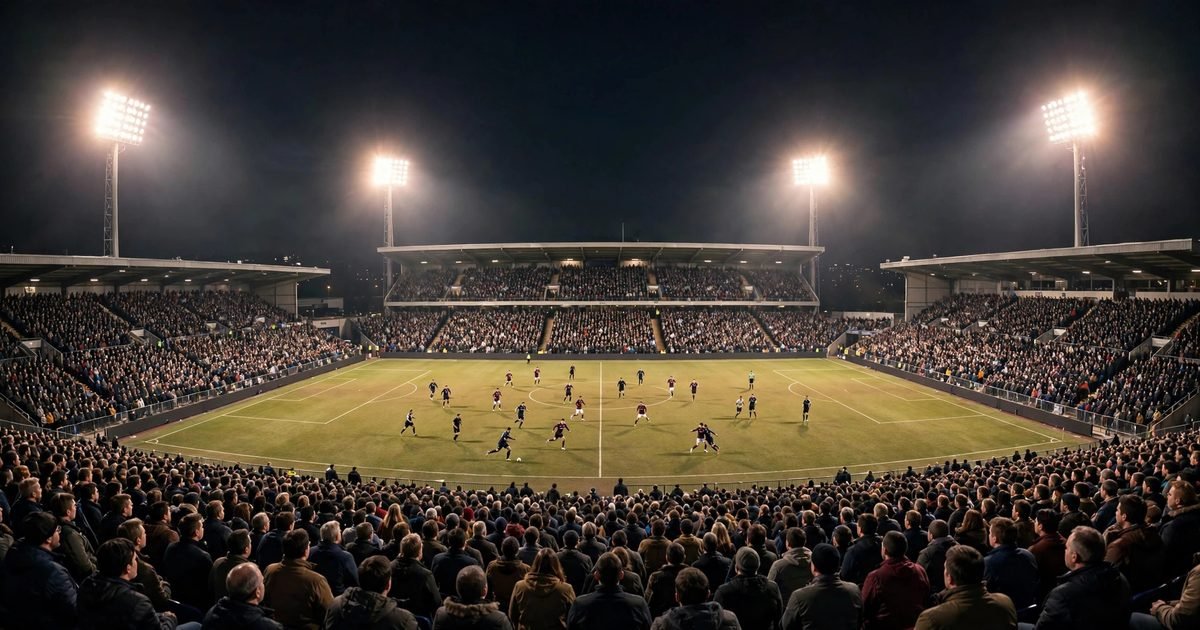
When 80,000 fans pour into a stadium for a World Cup final, or a million line the route of an Olympic marathon, an invisible machine is working to keep them safe. Major tournament security is one of the most complex logistical operations on earth — part military planning, part crowd psychology, part diplomacy — and when it works, nobody notices. That invisibility is the point.
The scale is hard to overstate. A modern mega-event is a temporary city with its own transport, medical, and policing needs, assembled for a few weeks and then dismantled.
Planning: the years before the whistle
Security planning begins years ahead. Threat assessments map risks from terrorism to petty crime to extreme weather. Stadiums are designed or retrofitted with security in mind: sterile perimeters, controlled entry points, CCTV networks, and evacuation routes modeled with crowd-simulation software.
Coordination is the hard part. Host nations mobilize tens of thousands of police, often supplemented by military units and private security. International events add layers: visiting teams bring their own security details, intelligence is shared across borders, and fan groups from rival nations are monitored and managed. Command centers fuse police, medical, transport, and event operations into a single nervous system.
Policing the crowd: fans, zones and soft power
The modern philosophy has shifted from confrontation to facilitation. Fan zones — controlled public viewing areas — keep supporters entertained and contained. 'Soft' policing, pioneered at recent tournaments, deploys officers trained in de-escalation and multiple languages, engaging fans rather than intimidating them. It works: tournaments using the approach report fewer arrests and better atmospheres.
Technology layers on top: facial recognition at entries (controversially), drone surveillance, and real-time social-media monitoring for emerging trouble. The balance between safety and civil liberties is the field's live ethical debate.
- Planning starts years out: perimeters, evacuation modeling, threat assessment.
- Tens of thousands of personnel fuse into unified command centers.
- Soft policing and fan zones replaced confrontation with facilitation.
The final layer is the one fans never see: intelligence work. Threat assessments draw on international cooperation, with agencies sharing information about known risks months in advance. It is unglamorous, invisible, and — by every measure that matters — the most important part of the operation. The visible guards are the last line; the real security happened long before anyone arrived.
Major tournaments are among the safest mass gatherings on earth — a remarkable achievement given the crowds, the passions, and the stakes. The security machine's greatest success is that fans remember the goals, not the guards.
Related Stories
SportsHow Marathon Runners Fuel 42 Kilometers
Glycogen, gels and race-day science: the nutrition strategy behind the marathon.
 Sports
How Cricket's T20 Format Conquered World Sport
Three hours, fireworks, franchises: the invention that remade cricket's economy.
SportsHow the NBA Became a Global Entertainment Product
Marketing, stars and international expansion: the making of basketball's empire.