How the United Nations Actually Makes Decisions
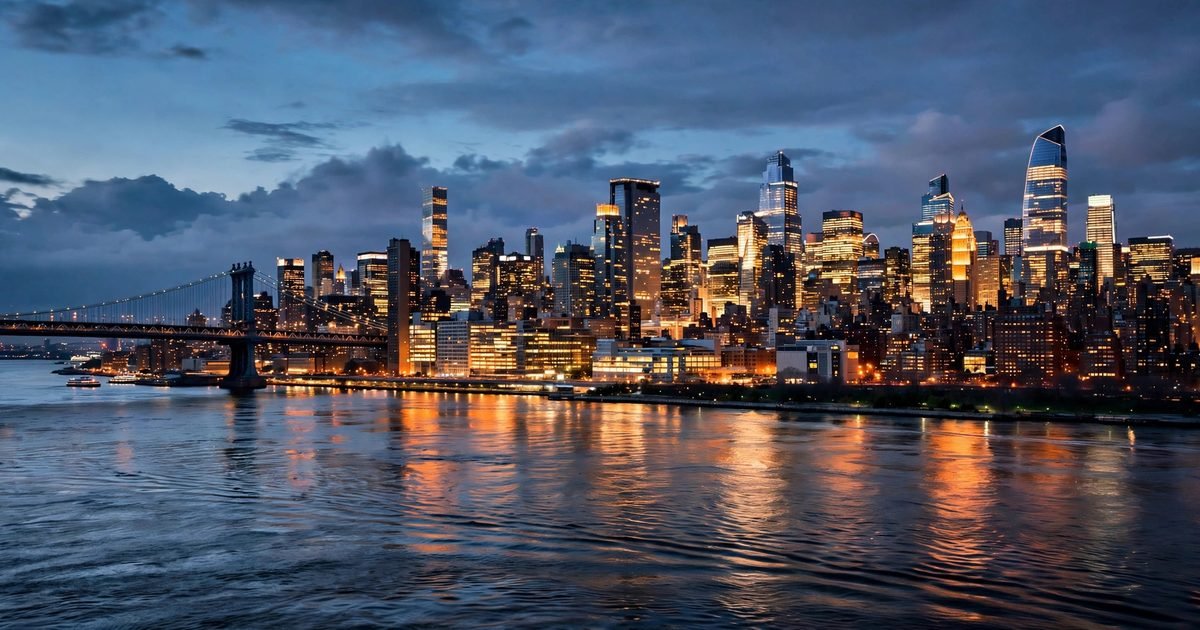
The United Nations is often described as the world's parliament, but it works nothing like one. Its decisions emerge from a maze of councils, assemblies, and committees — shaped as much by great-power politics as by procedure. Understanding how it actually works explains both its achievements and its frequent paralysis.
Founded after the Second World War to prevent another global conflict, the UN now counts nearly every country on Earth as a member. Its charter promises collective security and human rights, but its structure reflects the power realities of its founding moment — a tension that defines it to this day.
The Security Council: where power sits
The Security Council is the UN's most powerful body, the only one whose resolutions are legally binding. It has fifteen members, but five permanent ones hold veto power — meaning any one of them can block any substantive resolution. This was the price of getting great powers to join, and it remains the system's defining feature and flaw.
When the permanent members agree, the Council can authorize sanctions, peacekeeping missions, and even military action. When they disagree — as on the most divisive conflicts — it deadlocks, and critics call the UN irrelevant. Defenders note that the veto, for all its frustration, has kept great powers inside the tent rather than outside it.
The General Assembly: voice without teeth
The General Assembly gives every member state one vote, making it the UN's most democratic forum. It passes resolutions on everything from human rights to development goals. But its resolutions are non-binding — powerful as moral statements, limited as law.
That does not make the Assembly meaningless. Its votes reveal where global opinion stands, shape norms over time, and occasionally authorize action when the Council is blocked. For smaller states, it is their loudest megaphone.
- Only the Security Council can issue binding resolutions.
- Five permanent members hold veto power over Council action.
- The General Assembly speaks for all members but cannot compel them.
Where real influence lies
Beyond the headline bodies, much UN business happens in specialized agencies handling health, refugees, food, and aviation — often more effective than the political organs because they are more technical and less politicized. Funding is another lever: a handful of large donors bankroll much of the system.
The UN, in the end, is a mirror of its members. It cannot transcend their disagreements, but it provides the room where those disagreements get talked through rather than fought over. That modest function may be its most important one.
Related Stories
 World
WorldHow International Students Reshape Universities and Cities
Tuition economics, campus culture, and housing impacts: the global student mobility story.
 World
WorldHow Cities — Not Nations — Are Leading on Climate Action
City-led climate networks are bypassing national gridlock with building codes, transit, and procurement power.
 World
WorldWhy Southeast Asia Is the New Manufacturing Frontier
Supply-chain shifts, industrial parks, and the workforce story behind the region's factory boom.