How Microplastics Got Into Everything — and What It Means
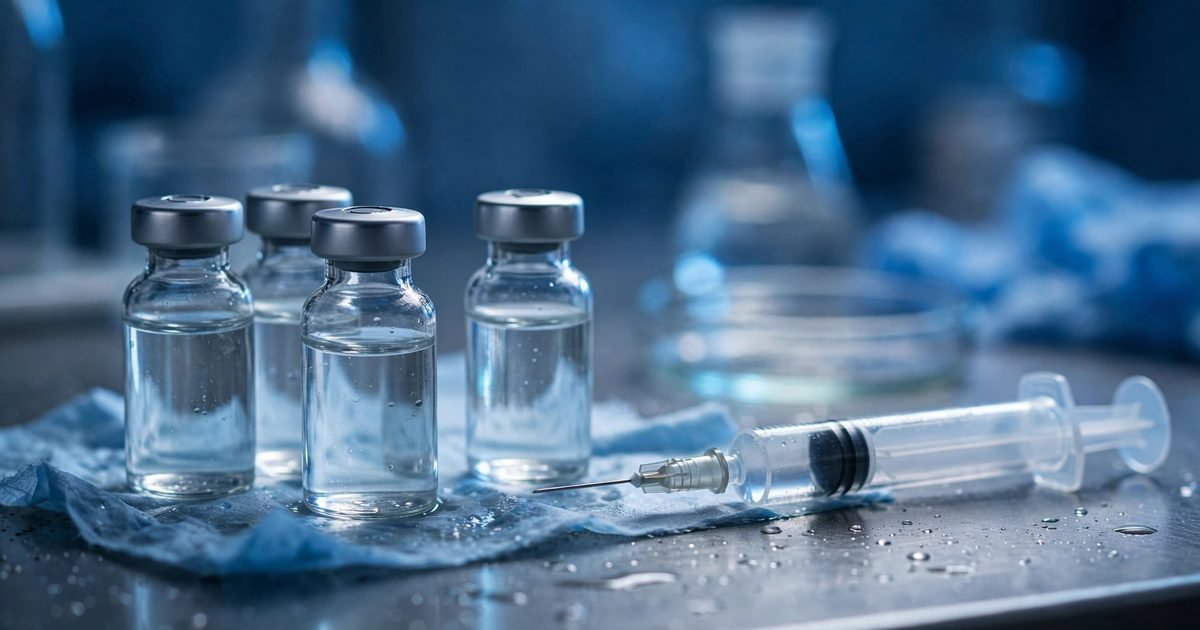
They've been found on Mount Everest, in Arctic ice, in drinking water, in human blood and placentas. Microplastics — fragments smaller than five millimeters, plus even tinier nanoplastics — have become the defining pollutant of the plastic age: invisible, ubiquitous, and poorly understood.
Sources are mundane. Synthetic textiles shed fibers with every wash; tires abrade into road dust washed toward waterways; larger plastic litter fragments under sun and waves; personal-care products and industrial pellets add their share. A fleece jacket and a car commute are microplastic infrastructure.
What the research says — and doesn't
Here's where honesty matters: detection has far outrun toxicology. Scientists can find microplastics almost anywhere they look, but what those particles do inside the human body remains largely unknown. Laboratory studies show inflammatory and cellular effects at high doses; whether real-world exposures reach harmful levels is unproven. The honest scientific position is concern without conclusions.
Some researchers worry less about the plastic itself than its cargo: microplastics can carry other pollutants and leach additive chemicals. Others note that humans have always inhaled and ingested natural microparticles; novelty, not just presence, determines risk.
What to do with uncertainty
Waiting for perfect evidence before acting has its own cost, given how permanent the pollution is. Sensible responses target the largest sources regardless of the health verdict: better textile and tire design, washing-machine filters, reduced single-use plastic, improved waste management.
For individuals, the low-regret moves are familiar: filter drinking water, ventilate homes (indoor air carries fibers too), and choose natural fibers where practical. Microplastics are a genuine environmental failure. Whether they're a health catastrophe is a question science is still — urgently — trying to answer.
The policy frontier
Policy is catching up to the pollution. Negotiations toward a global plastics treaty aim to cap production and phase out the most problematic products; extended-producer-responsibility schemes make manufacturers fund cleanup; and microbead bans — passed in many countries years ago — proved that targeted product regulation works when the science is clear.
The harder fights concern production caps and chemical transparency: industry resists limits on virgin plastic output, while health advocates argue you can't manage what you can't measure. Standardized monitoring of microplastics in water, air and food is still being built — the data infrastructure for future regulation. The trajectory resembles climate policy in miniature: scientific consensus, contested economics, and the slow grind toward binding commitments. The particles are already everywhere; the question is whether the tap gets turned down.
Related Stories
Science & HealthHow Vaccines Train Your Immune System
Vaccines don't block germs — they train a rapid-response force. A plain-language explainer on antibodies, memory cells, and why boosters exist.
 Science & Health
What Your Blood Type Reveals — and Doesn't — About Health
Separating the modest real links from the personality-test mythology.
 Science & Health
How Personalized Medicine Tailors Treatment to Your Genes
Pharmacogenomics in practice: when your DNA changes the prescription.