Why Political Polarization Keeps Rising
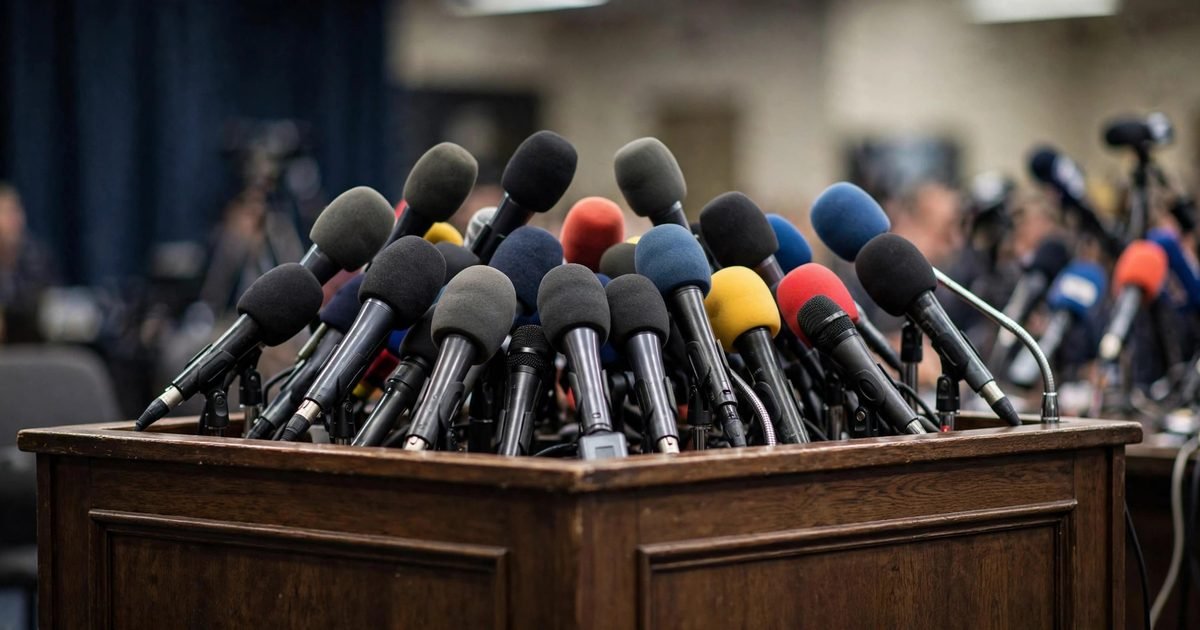
Established democracies are angrier at themselves than they used to be. Across North America and Europe, surveys show rising affective polarization — partisans who don't just disagree with the other side but dislike, distrust, and fear it. The trend is real, measurable, and driven by forces deeper than any single election.
Media fragmentation
The old mass-media era forced citizens into a shared information environment: three channels, one set of facts, disagreement within bounds. The fragmented era offers infinite choice, and people choose congenial sources. The result is not just different opinions but different realities — parallel factual universes in which the other side's views are literally incomprehensible. Algorithmic feeds intensify the effect, rewarding the emotional content that sorts audiences into camps.
Crucially, the most politically engaged citizens — the ones who vote, donate, and argue — consume the most partisan media, so the loudest voices are the most sorted. The moderate middle still exists; it just stopped talking.
Geography and institutions
Americans increasingly live near political allies — the big sort, driven by lifestyle preferences that correlate with politics. When neighborhoods, churches, and workplaces become politically homogeneous, the other side becomes an abstraction, easy to caricature. Electoral systems amplify the divide: winner-takes-all rules and partisan primaries reward the extremes, while proportional systems' multiparty competition tends to soften it.
Political elites play their part. When leaders describe opponents as enemies of the nation rather than fellow citizens with wrong ideas, followers take the cue. Polarization is elite-led as much as grassroots-fed.
Can it reverse?
Researchers distinguish two polarizations that often get conflated. Ideological polarization — how far apart the parties' policies are — has grown in some democracies but stayed flat in others; European multiparty systems show less of it than America's binary standoff. Affective polarization — how much partisans dislike each other — has risen almost everywhere measured, and it is the more corrosive of the two. Citizens can disagree about tax rates and still share a polity; once they view opponents as immoral or dangerous, compromise becomes betrayal. The distinction matters for remedies: ideological gaps close through negotiation, but affective divides require contact, shared identity, and institutional designs that force cooperation. Treating all polarization as one phenomenon produces solutions for the wrong disease. The fever is emotional; the thermometer is ideological.
History offers cautious hope: past eras of intense division eventually cooled, usually through institutional reform, generational turnover, or external shocks that forced cooperation. But reversal requires effort — electoral reforms that reward moderation, media diets deliberately diversified, and leaders willing to lose a news cycle to lower the temperature. Polarization is not weather. It is climate, and climates can change.
Related Stories
 Politics
How the UN Veto Shapes World Politics
Five countries can block any UN Security Council decision alone. The veto's Cold War logic, its invisible power, and why reform is structurally impossible.
 Politics
How Referendums Can Backfire on Governments
Governments call referendums expecting validation and get rebukes instead. Why direct democracy backfires — and the rules leaders keep relearning.
 Politics
What Proportional Systems Mean for Small Parties
A single percentage decides which small parties survive. How electoral thresholds work, the kingmaker power they create, and the trade-offs behind the number.