The Rise of Middle Powers in a Multipolar World
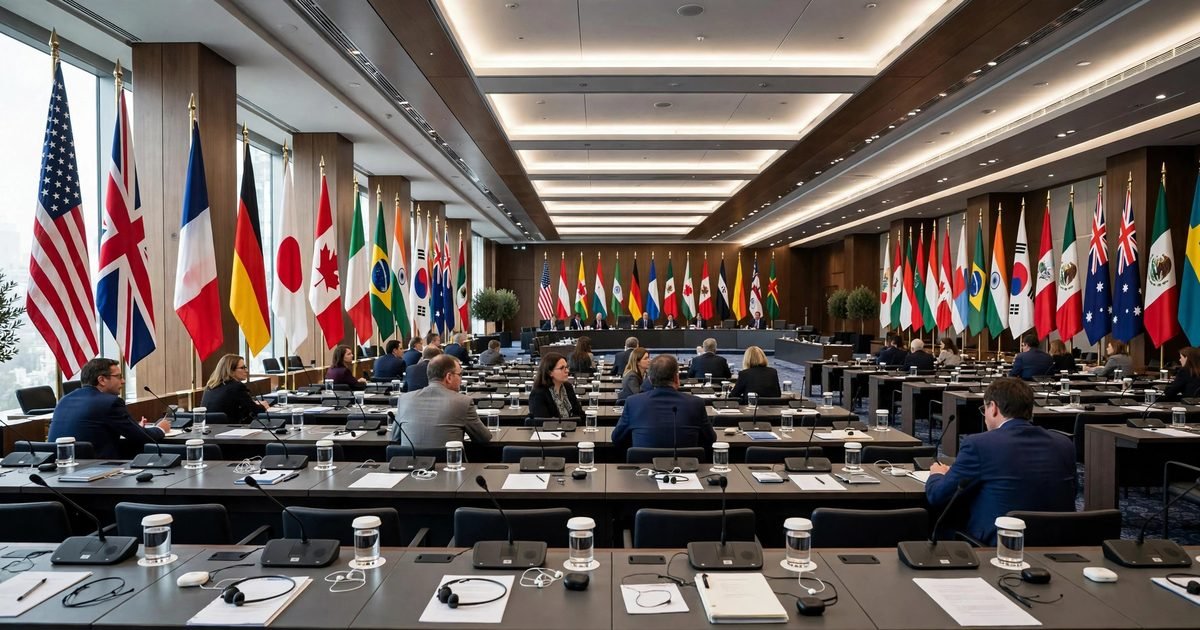
The old story of world politics starred two superpowers, then one. The emerging story has a larger cast: a group of ambitious "middle powers" — India, Brazil, Indonesia, and others — that are using economic weight, demographic heft, and nimble diplomacy to claim influence far beyond their traditional roles.
These countries share no ideology and no alliance, but they share an opportunity. As rivalry between the largest powers deepens, everyone wants them as partners — giving middle powers leverage to extract trade deals, technology transfers, and a louder voice in global institutions.
How they leverage their position
India pairs a huge domestic market and young workforce with an active multi-alignment diplomacy, deepening ties with rival blocs simultaneously. Brazil wields agricultural and mineral might alongside Amazon diplomacy that makes it indispensable to climate talks. Indonesia leverages nickel reserves critical to batteries and a strategic perch on vital sea lanes.
The pattern is consistent: convert economic and geographic assets into diplomatic capital, avoid being locked into any single camp, and insist on being courted rather than commanded.
What multipolarity means in practice
A multipolar world is messier than the old orders. Alliances are more transactional, institutions harder to steer, and crises harder to manage collectively. But it also diffuses power: smaller states gain bargaining room, and no single capital can dictate terms to the rest.
Skeptics warn that middle powers often overpromise — their internal divisions, infrastructure gaps, and governance challenges limit how far ambition can run. The gap between aspiration and capacity is the defining tension of the middle-power moment.
- Middle powers convert markets, resources, and location into diplomatic leverage.
- Multi-alignment — ties with rival blocs at once — is the signature strategy.
- Internal constraints often lag behind external ambition.
Multilateral forums have become the middle powers' favorite stage. Expanded groupings give them seats at tables once reserved for great powers, and they use those platforms to push agendas — development finance reform, supply-chain resilience, digital rules — that reflect their interests rather than anyone else's. The art lies in shaping communiqués and institutions from the inside, turning membership into influence one negotiation at a time.
Why this shift matters
Whether the world becomes genuinely multipolar or merely multi-actor, the direction is clear: influence is spreading. For businesses, that means navigating more centers of regulation and demand. For diplomats, it means building coalitions issue by issue rather than relying on fixed alliances.
The middle powers are not waiting for permission to matter. They already do.
Related Stories
WorldHow International Students Reshape Universities and Cities
Tuition economics, campus culture, and housing impacts: the global student mobility story.
 World
WorldHow Cities — Not Nations — Are Leading on Climate Action
City-led climate networks are bypassing national gridlock with building codes, transit, and procurement power.
 World
WorldWhy Southeast Asia Is the New Manufacturing Frontier
Supply-chain shifts, industrial parks, and the workforce story behind the region's factory boom.