What Sports Psychologists Do for Elite Athletes
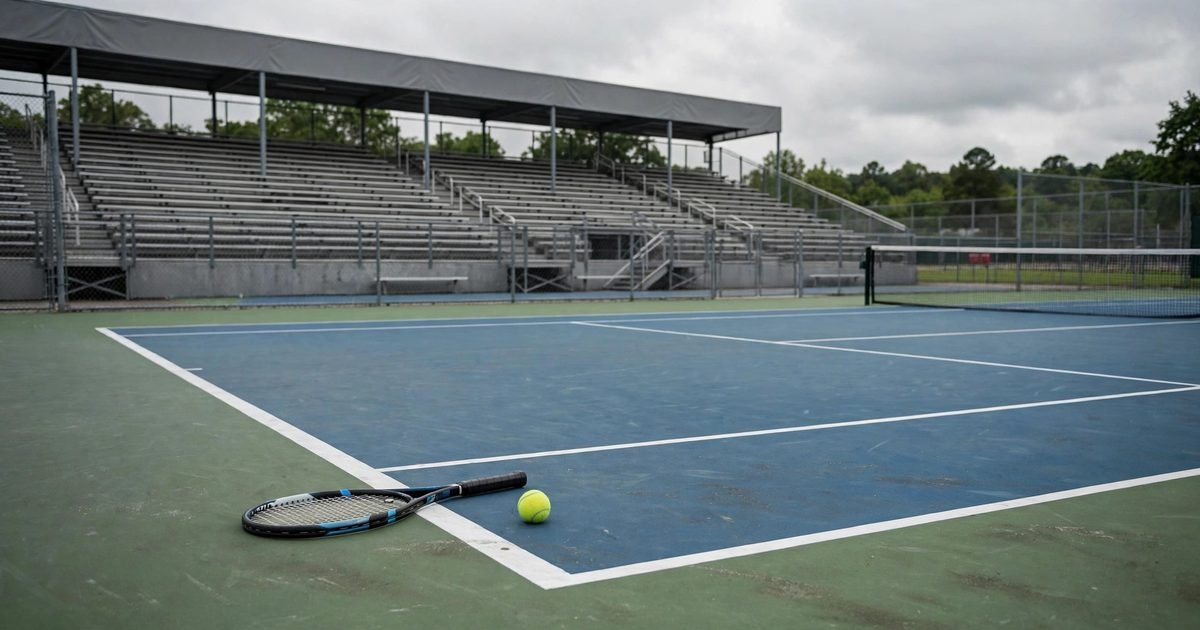
At the elite level, physical differences shrink to slivers — and the mind becomes the margin. Sports psychologists work in that margin, training attention, confidence and emotional control with the same systematic rigor coaches apply to muscles. The best in the world treat mental training as non-negotiable.
The work starts with assessment: how an athlete responds to pressure, where focus breaks, what self-talk sounds like in the decisive moment. Interventions are then tailored — there is no single mental toughness program, because fragility takes different forms.
The core techniques
Visualization is the signature tool: mentally rehearsing performance in vivid, multi-sensory detail, including the mishaps and the recoveries. Research supports its value, particularly when the imagery includes coping with adversity rather than just perfect execution.
Pre-performance routines — the free-throw ritual, the serve bounce sequence — function as attentional anchors, occupying the conscious mind so trained movement can flow automatically. Self-talk is reframed from vague positivity to instructional cues: what to do, not just how to feel.
Pressure, slumps and the human side
Much of the work is crisis management: slumps, yips, comebacks from injury, the peculiar loneliness of individual sports. Modern practice increasingly addresses mental health directly — anxiety, depression, identity beyond sport — reflecting a healthier understanding that athletes are people first.
The stigma that once surrounded psychology in sport has largely faded; today's question isn't whether champions use mental coaches, but how early the next generation starts. The body gets you to the arena. Increasingly, the mind decides what happens there.
Youth sports and parents
The principles of sports psychology apply long before the elite level — arguably where they matter most. Early specialization, parental pressure and year-round competition are burning out young athletes at alarming rates, with dropout peaking in the early teens. The research consensus favors multi-sport play, autonomy-supportive coaching and keeping fun central for as long as possible.
Parents are the most influential — and least trained — figures in youth sport. Simple shifts help enormously: praising effort over outcome, letting children own their experience, and remembering that the car ride home shapes attitudes more than any drill. The goal of youth sports isn't producing professionals; it's producing adults who still love to move. Psychology's insights serve that goal at every level.
Destigmatization is the quiet victory: athletes now discuss mental coaching as openly as physiotherapy, and governing bodies increasingly fund psychological support as standard. The mind was always part of the performance equation. Sport is finally training it like one.
Related Stories
 Sports
How Marathon Runners Fuel 42 Kilometers
Glycogen, gels and race-day science: the nutrition strategy behind the marathon.
 Sports
How Cricket's T20 Format Conquered World Sport
Three hours, fireworks, franchises: the invention that remade cricket's economy.
SportsHow the NBA Became a Global Entertainment Product
Marketing, stars and international expansion: the making of basketball's empire.