What 'Sportswashing' Means — and Why It Matters
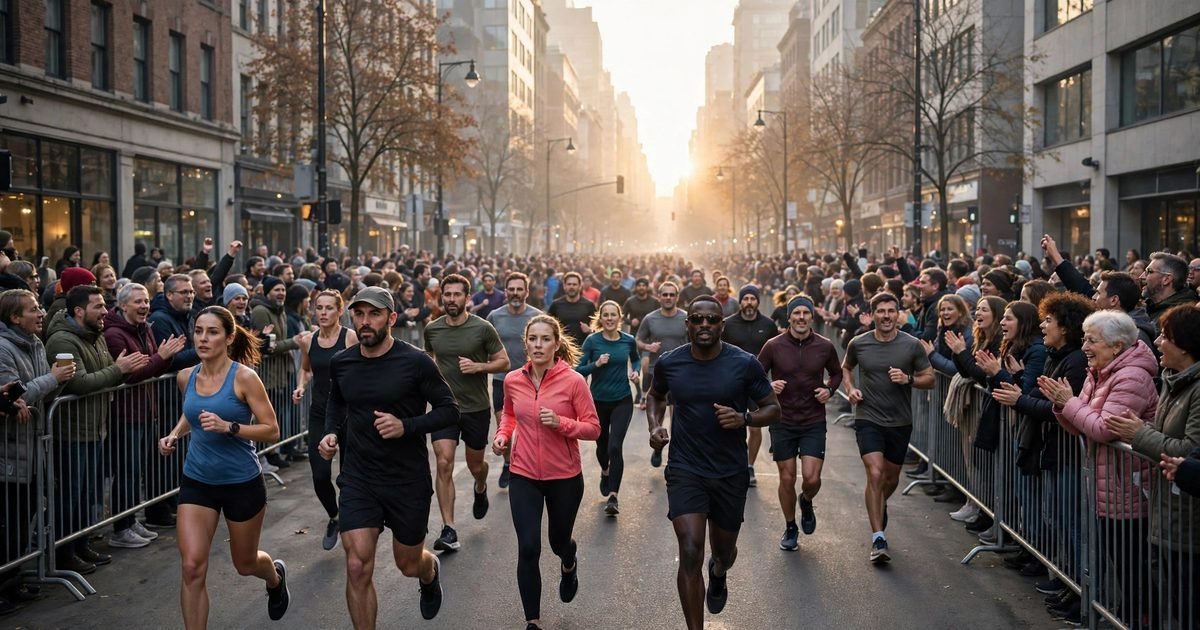
When a Gulf state buys a European football club, or an authoritarian government hosts a World Cup, or a sovereign fund bankrolls a golf tour, commentators reach for the same word: sportswashing. The accusation is that sport is being used to launder reputations — to make regimes associated with human-rights abuses look modern, glamorous, and legitimate.
The term is everywhere. The debate underneath it is more complicated than the slogan suggests.
Defining the accusation
Sportswashing, in its standard definition, means using sports investment or hosting to distract from or soften a poor human-rights record. The classic case studies: states with restrictive domestic policies buying beloved football clubs, or hosting mega-events that flood global media with images of gleaming stadiums rather than prison cells.
The mechanism is soft power. Sport generates the kind of affectionate global attention that diplomacy cannot buy: fans who love a club find it psychologically difficult to condemn its owners; host nations get weeks of celebratory coverage. Critics argue this is deliberate reputation management, funded at a scale only states can afford.
The debate: does it work?
Here the consensus breaks down. Skeptics of the term argue that 'sportswashing' is applied selectively — Western owners with dubious records rarely face the label — and that it patronizes fans, who are perfectly capable of loving a team while criticizing its owners. Some research suggests mega-events actually increase scrutiny: journalists descend, activists get a platform, and the spotlight reveals as much as it conceals.
Defenders of the concept counter that scrutiny fades while the assets remain. The club stays bought; the stadium keeps gleaming; the association between regime and beloved institution deepens year by year. Even if each event invites criticism, the long game is normalization.
- The claim: states use sport to soften reputations and buy soft power.
- The counter: scrutiny often increases, and fans can hold two thoughts at once.
- The long game: assets and associations outlast any single news cycle.
One underexamined angle is the fans themselves. Supporter groups at affected clubs have split: some protest ownership loudly, others argue football was never pure and pragmatism beats boycotts. Their dilemma — love for the shirt versus discomfort with its owners — may be the most honest reflection of the sportswashing debate. Ordinary fans did not choose this fight, but they live inside it every matchday.
Sportswashing matters because it names a real phenomenon — the strategic use of sport by political power. Whether it works is an empirical question, and the evidence is mixed. What is certain is that the conversation is not going away, because the investments keep coming.
Related Stories
 Sports
How Marathon Runners Fuel 42 Kilometers
Glycogen, gels and race-day science: the nutrition strategy behind the marathon.
SportsHow Cricket's T20 Format Conquered World Sport
Three hours, fireworks, franchises: the invention that remade cricket's economy.
SportsHow the NBA Became a Global Entertainment Product
Marketing, stars and international expansion: the making of basketball's empire.