How Campaign Finance Rules Differ Worldwide
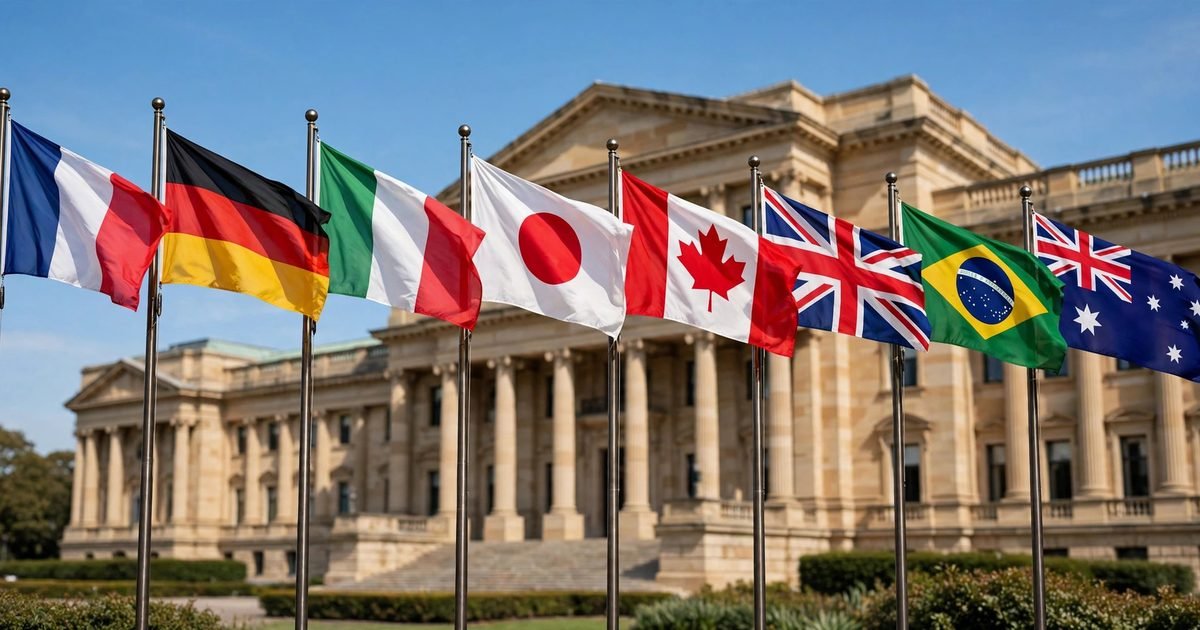
Money in politics is regulated everywhere and cleanly nowhere. Every democracy confronts the same dilemma — campaigns cost money, money seeks influence — and each has built a different apparatus of caps, disclosures, and public funding to manage it. The comparisons are revealing.
Three regulatory philosophies
The American system leans on disclosure: raise what you want, but report it. Spending limits were largely dismantled by court decisions treating political money as speech, producing the super PAC era — unlimited independent spending disclosed after the fact. Germany takes the opposite approach: generous public funding for parties tied to vote share, strict donation disclosure, and a political culture that treats big private donations as scandalous.
Britain splits the difference: tight spending caps during the regulated campaign period, but a Wild West outside it, with party donations disclosed above thresholds. France bans corporate donations entirely and reimburses candidates who clear a vote threshold — public money as the great equalizer.
What the rules miss
Every system leaks. American disclosure struggles with dark money routed through nonprofits. British caps are evaded by pre-campaign spending. German public funding entrenches established parties at newcomers' expense. And everywhere, the newest frontier is digital: online ads, influencer payments, and foreign interference through cutouts challenge frameworks built for television and direct mail.
India's recent electoral bond saga — anonymous corporate donations laundered through state banks, struck down by the Supreme Court — showed how quickly opacity schemes collapse under judicial scrutiny, and how much money was flowing in the dark.
The core trade-off
The Citizens United decision reshaped American campaign finance in a single ruling. By holding that independent political spending by corporations and unions is protected speech, the Supreme Court unleashed the super PAC era — entities that can raise and spend unlimited sums while technically independent of candidates. The decision's defenders argue it simply extended speech rights consistently; its critics see the moment American democracy was put up for sale. The empirical record is contested: money's influence on outcomes is real but often overstated, with the best-funded candidate losing regularly. What is undeniable is the arms-race dynamic — each cycle's spending records fall, and the time candidates spend fundraising grows. Whether the system is corrupt or merely expensive depends on one's priors, but nobody calls it clean.
No regime has solved the underlying tension: restricting money restricts speech, but unrestricted money amplifies the wealthy. The honest systems pick their poison transparently. What distinguishes healthy regimes is not the absence of money but the presence of sunlight — timely disclosure, real enforcement, and a press free to follow the funds.
Related Stories
 Politics
How the UN Veto Shapes World Politics
Five countries can block any UN Security Council decision alone. The veto's Cold War logic, its invisible power, and why reform is structurally impossible.
 Politics
Why Political Polarization Keeps Rising
Partisans increasingly dislike and fear each other, not just disagree. The media, geographic and institutional drivers of polarization — and whether it can reverse.
PoliticsHow Referendums Can Backfire on Governments
Governments call referendums expecting validation and get rebukes instead. Why direct democracy backfires — and the rules leaders keep relearning.