How the European Parliament Works
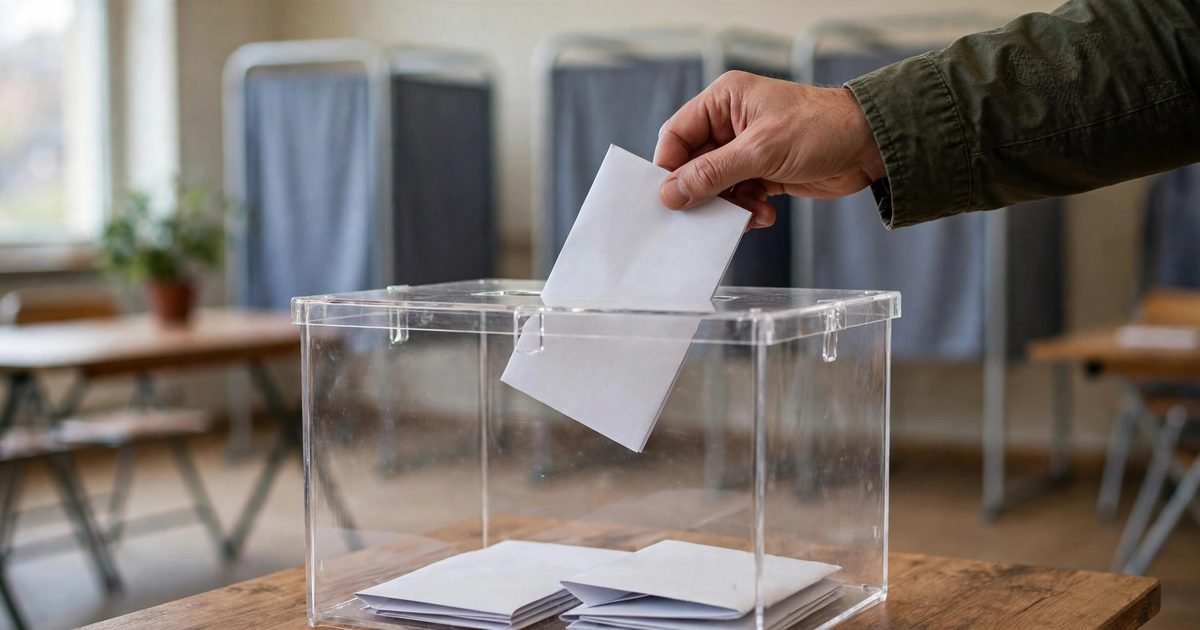
It is the world's only directly elected transnational parliament — 720 members legislating for 450 million people across 27 countries. The European Parliament is also one of the least understood legislatures on earth, dismissed as a talking shop by critics and defended as a democratic anchor by supporters. The reality is more interesting than either caricature.
How it is organized
Members (MEPs) are elected every five years by proportional representation in each member state — though each country runs its own electoral rules within EU guidelines. Once in Strasbourg and Brussels, MEPs sit not by nationality but by political group: center-right, socialists, liberals, greens, conservatives, and the far-right factions. National delegations exist, but the groups control speaking time, committee assignments, and voting discipline. A German conservative has more in common procedurally with a Spanish conservative than with a German socialist across the aisle.
What it actually does
The Parliament's power has grown with every EU treaty. Under the ordinary legislative procedure, it co-legislates with the Council (member-state governments) on most EU law — from data privacy to emissions standards — and can block or amend proposals outright. It approves the EU budget, confirms the Commission president and commissioners, and wields investigative and consent powers over trade deals and enlargements.
Its limits are structural: it cannot initiate legislation (that monopoly belongs to the Commission), foreign and security policy remains intergovernmental, and turnout in European elections persistently trails national ones — feeding the perennial complaint of a democratic deficit.
Why it matters
The Spitzenkandidaten experiment tested how far parliamentary logic could stretch. In 2014, European parties nominated lead candidates for Commission president, and the Parliament insisted the Council appoint the winner — a power grab toward parliamentary democracy that partially succeeded. In 2019, the Council rebuffed the system, imposing its own choice over parliamentary objections, and the democratic-deficit debate reignited. The episode exposed the EU's unresolved identity: a parliament with growing powers still cannot choose the executive, because member states refuse to surrender that prerogative. Federalists see the fix as obvious — full parliamentary government at EU level. Intergovernmentalists see the Parliament's ambitions as overreach. Until the EU decides what it is, its parliament will remain powerful, distant, and democratically incomplete.
For all its remoteness, the Parliament shapes daily life more than most voters realize: roaming charges, food labeling, digital rights, and product standards all bear its imprint. It is also the EU's democratic conscience, using resolutions and hearings to pressure member states on rule-of-law backsliding. Imperfect, distant, and powerful — the Parliament is the experiment's bet that democracy can scale beyond the nation-state.
Related Stories
PoliticsHow the UN Veto Shapes World Politics
Five countries can block any UN Security Council decision alone. The veto's Cold War logic, its invisible power, and why reform is structurally impossible.
 Politics
Why Political Polarization Keeps Rising
Partisans increasingly dislike and fear each other, not just disagree. The media, geographic and institutional drivers of polarization — and whether it can reverse.
 Politics
How Referendums Can Backfire on Governments
Governments call referendums expecting validation and get rebukes instead. Why direct democracy backfires — and the rules leaders keep relearning.