How Reality TV Is Cast, Edited and Manipulated
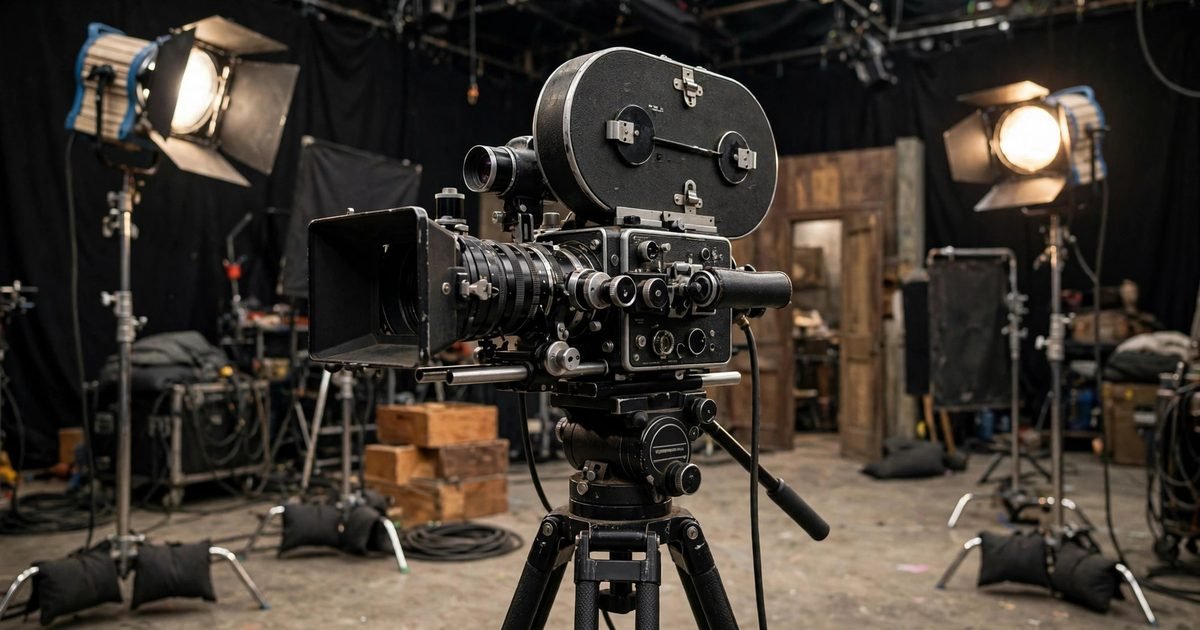
Reality television sells spontaneity. The fights feel raw, the romances feel sudden, and the eliminations feel like genuine shock. Yet almost nothing on a reality show reaches the screen by accident. Behind every season sits a small army of casting directors, story producers and editors whose job is to manufacture the very drama viewers believe they are discovering.
Casting is character design
Long before cameras roll, casting teams sift through thousands of applicants looking not for ordinary people but for archetypes: the villain, the peacemaker, the wildcard, the romantic. Producers openly describe casting as assembling a chemistry set — personalities chosen because they are likely to collide. Psychological screening, recorded interviews and social media audits help teams predict who will argue, who will cry and who will quit. The "real people" on screen are real, but they were selected precisely because their real traits fit a pre-written dynamic.
Story producers write without scripts
Once filming starts, story producers take over. They do not hand out scripts, but they do shape narratives through interview questions, scheduling and suggestion. A producer might ask a contestant how they feel about a rival for the fifth time until the answer has an edge, or place two feuding cast members at the same dinner table. "Frankenbiting" — splicing words from different sentences into a new one — can make a casual remark sound like a declaration of war. Participants sign contracts acknowledging that their words may be edited, and most learn too late how flexible that clause is.
Contestants have grown wise to the machinery, and a strange meta-game has emerged. Veteran reality stars now arrive media-trained, performing heightened versions of themselves in hopes of favorable edits, while producers counter by casting complete unknowns. Non-disclosure agreements keep most participants quiet for years, but the steady drip of tell-all interviews has educated audiences too — viewers now watch with ironic detachment, spotting the Frankenbites and borrowed reaction shots in real time. Rather than killing the genre, this awareness became part of the entertainment: shows are consumed on two levels at once, as drama and as a puzzle about how the drama was built. The manipulation did not end; it just became a shared joke between makers and viewers, with the contestants caught in the middle.
The edit is the final author
Editors work with hundreds of hours of footage and a mandate: find the story. Scenes are reordered, reaction shots are borrowed from unrelated moments, and music tells viewers how to feel before anyone speaks. A lingering look becomes suspicion; a laugh becomes mockery. The result is technically composed of real footage yet often unrecognizable to the people who lived it — which is why former contestants so frequently say the show they watched was not the show they filmed.
Related Stories
 Entertainment
How video game budgets overtook Hollywood's
A plain-English explainer: a comparison of AAA budgets with film and where the money goes.
 Entertainment
What Nollywood's rise means for African cinema
A plain-English explainer: an overview of the industry's volume, stars and global reach.
EntertainmentHow Hollywood blockbusters are actually financed
A plain-English explainer: an overview of through studios, presales and tax incentives.