Parliamentary vs Presidential Systems: Key Differences
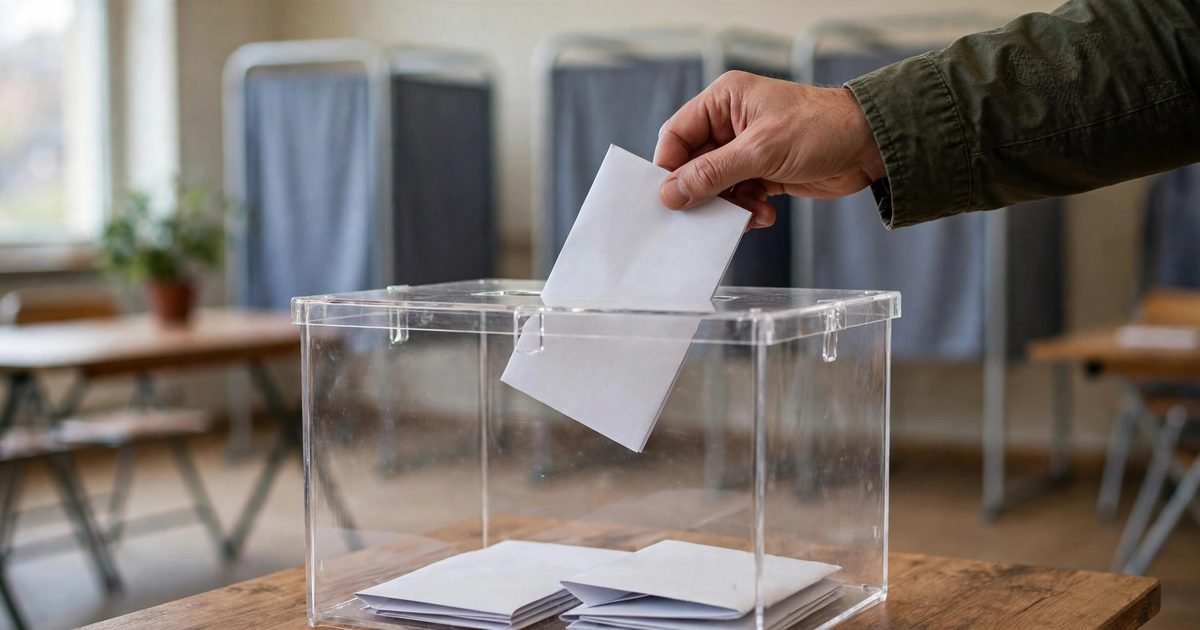
Most of the world's democracies elect their leaders in one of two fundamentally different ways — and the choice shapes everything from party systems to political stability. Parliamentary systems fuse the executive and legislature; presidential systems separate them. Understanding the difference explains a surprising amount of global politics.
The parliamentary model
In a parliamentary system — the United Kingdom, Germany, India, Japan — voters elect a legislature, and the legislature produces the government. The prime minister is typically the leader of the largest party or coalition, and stays in office only while commanding a majority. Lose that majority, and the government falls, often triggering new elections.
The model's strength is flexibility and alignment: the executive almost always has legislative support, so gridlock is rare and unpopular governments can be removed without waiting years. Its weakness is instability in fragmented parliaments — Italy's revolving-door governments are the classic cautionary tale — and the concentration of power when one party dominates.
The presidential model
In a presidential system — the United States, Brazil, Mexico, much of Latin America and Africa — voters elect the president directly and separately from the legislature. The president serves a fixed term and cannot be removed by a simple loss of legislative support. This creates a deliberate separation: the executive and legislature can, and often do, belong to different parties.
The advantage is stability and a direct democratic mandate for the head of state. The price is gridlock — a president facing a hostile legislature may be unable to govern — and the winner-takes-all stakes of presidential elections, which political scientists link to democratic breakdown in polarized societies. When all power hinges on one person and one election, the temptation to bend the rules rises.
Why the choice matters
Many systems refuse the binary. France's semi-presidential model splits the difference: a directly elected president with real powers — foreign policy, defense, dissolution — coexists with a prime minister accountable to parliament. When the president's party holds the assembly, the president dominates; when it doesn't, the country enters cohabitation, with president and premier from opposing camps dividing power uneasily but functionally. The model has worked, though cohabitation's awkwardness led France to align electoral calendars to minimize it. Other hybrids abound: Switzerland's collective executive, South Africa's parliament-elected president, the EU's layered arrangements. The parliamentary-presidential spectrum is really a spectrum, and the most interesting democracies sit somewhere in the middle, borrowing stability from one pole and accountability from the other.
Empirical research has long noted that presidential democracies break down more often than parliamentary ones, though scholars debate how much the system itself is to blame versus the countries that adopted it. What is clear is that the design shapes behavior: parliamentary systems reward coalition-building and party discipline; presidential systems reward personal charisma and make every election feel existential. Neither is inherently superior — but each fails in its own characteristic way, and reformers in struggling democracies ignore the difference at their peril.
Related Stories
PoliticsHow the UN Veto Shapes World Politics
Five countries can block any UN Security Council decision alone. The veto's Cold War logic, its invisible power, and why reform is structurally impossible.
 Politics
Why Political Polarization Keeps Rising
Partisans increasingly dislike and fear each other, not just disagree. The media, geographic and institutional drivers of polarization — and whether it can reverse.
 Politics
How Referendums Can Backfire on Governments
Governments call referendums expecting validation and get rebukes instead. Why direct democracy backfires — and the rules leaders keep relearning.