Why Political Polling Keeps Getting It Wrong
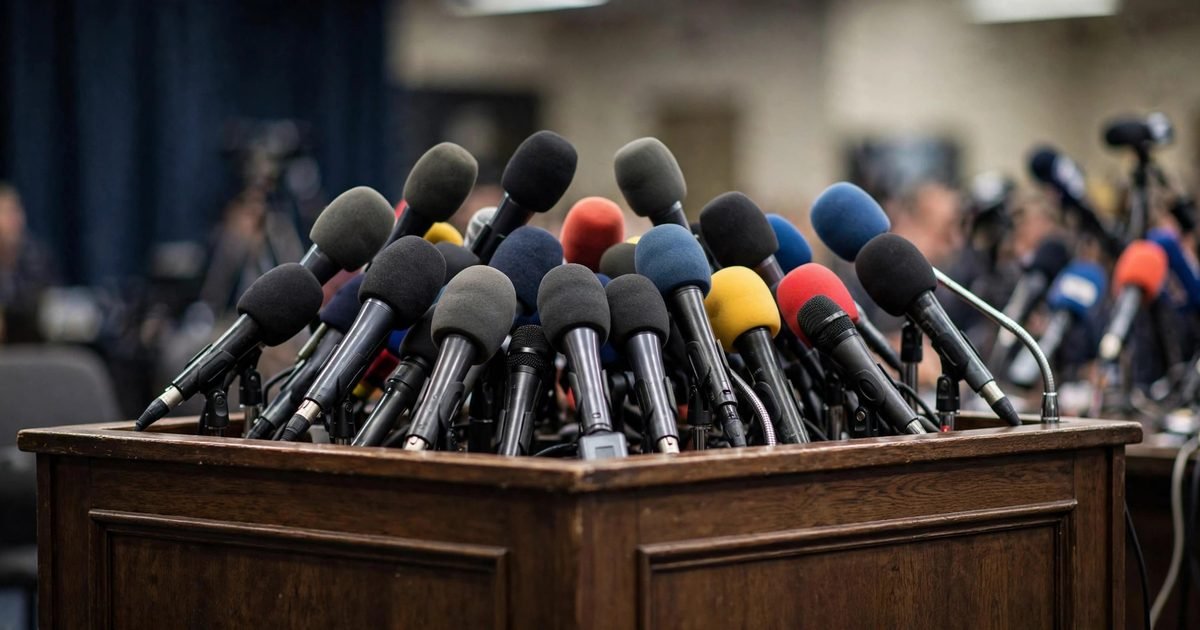
Pollsters have had a rough decade. High-profile misses — elections called wrong, referendums misread — have dented public trust in an industry that once seemed scientific. But the story is more interesting than simple failure: polling's errors have specific, diagnosable causes, and the fixes are reshaping how public opinion gets measured.
The famous misses
The pattern in recent misses is consistent: polls understated support for disruptive, anti-establishment options. Researchers call this the shy-voter problem — respondents reluctant to admit unpopular preferences — compounded by differential nonresponse: the people who answer surveys are increasingly unrepresentative of the electorate. Response rates that once ran above 30 percent have collapsed into single digits, leaving pollsters weighting tiny, skewed samples to stand in for entire populations.
Late-deciding voters add another layer. In volatile races, a meaningful share of the electorate decides in the final days, after the last polls have closed. And herding — pollsters adjusting results toward the consensus to avoid outlier embarrassment — can manufacture false certainty from genuine uncertainty.
The methodological fixes
The industry has responded on several fronts. Probability-based online panels, recruited offline to avoid the self-selection of opt-in polls, now anchor many operations. Weighting schemes have grown more sophisticated, adjusting for education — the variable that most consistently skewed recent misses. Some pollsters blend methods: phone, online, and text-to-web, on the theory that different modes reach different people.
More fundamentally, the best practitioners changed what they promise. Margins of error now get reported with their assumptions stated; some outlets publish polling averages with uncertainty bands rather than false-precision point estimates. The emerging consensus: polls are blurry snapshots, not predictions — useful for understanding the race, dangerous for calling it.
Reading polls wisely
Prediction markets offer a provocative alternative to polls. Instead of asking people whom they support, markets let participants bet on outcomes — and prices aggregate dispersed information with sometimes startling accuracy. Election betting markets have outperformed polls in several recent cycles, particularly where polling struggled with nonresponse. The mechanism's defenders argue that putting money behind beliefs filters noise: casual opinions don't move prices, informed ones do. Critics counter that markets are thin, manipulable, and legally restricted in many jurisdictions — and that they inherit the biases of their disproportionately male, online participant base. Regulators remain wary. But the intellectual challenge stands: if the goal is forecasting rather than understanding, markets may simply be better instruments than surveys. Polling tells you what people say; markets tell you what they'll stake.
For consumers of polls, the advice is simple: trust averages over single polls, distrust certainty, and remember that a 3-point lead with a 3-point margin of error is a tie. Polling is not broken — but the era of treating it as prophecy is, and good riddance.
Related Stories
 Politics
How the UN Veto Shapes World Politics
Five countries can block any UN Security Council decision alone. The veto's Cold War logic, its invisible power, and why reform is structurally impossible.
PoliticsWhy Political Polarization Keeps Rising
Partisans increasingly dislike and fear each other, not just disagree. The media, geographic and institutional drivers of polarization — and whether it can reverse.
 Politics
How Referendums Can Backfire on Governments
Governments call referendums expecting validation and get rebukes instead. Why direct democracy backfires — and the rules leaders keep relearning.