How Coalition Governments Are Formed in Europe
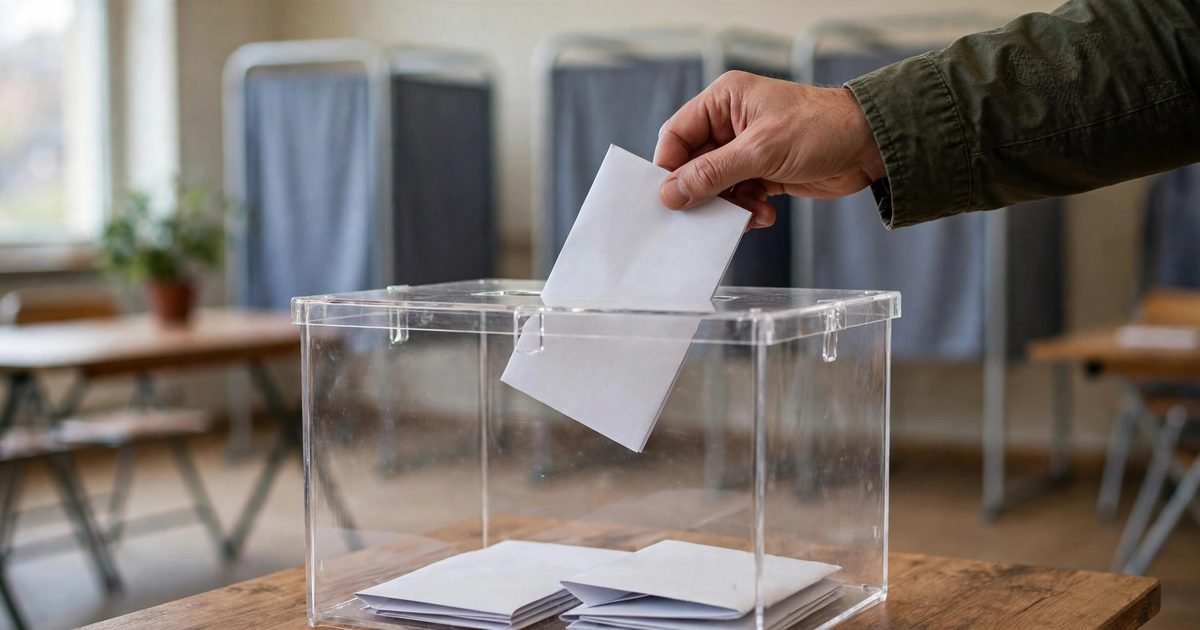
Across much of Europe, elections rarely produce a single winner. Instead they produce a puzzle: several parties, none with a majority, and weeks of negotiation to assemble a government. Coalition formation is where European democracy actually happens — in the talks, trade-offs, and late-night deals that follow the vote.
From results to negotiations
The process typically starts with the head of state appointing an informateur or formateur — often the leader of the largest party — to explore viable combinations. Parties negotiate a coalition agreement: a policy program, a division of ministerial portfolios, and rules for handling disagreements. Portfolio allocation roughly follows bargaining power — larger parties claim finance and foreign affairs — and the talks can take weeks or months. The Netherlands and Belgium have set records for marathon formations; Germany's tend to be methodical but lengthy.
What holds coalitions together — and breaks them
Survival depends on the agreement's detail and the partners' discipline. Well-drafted coalitions include conflict-resolution mechanisms: regular summits between party leaders, commitments not to ambush partners publicly, and pre-agreed positions on divisive issues. They collapse for predictable reasons — a junior partner bleeding support bolts to differentiate itself, a scandal taints one party, or an external crisis splits the partners' instincts.
When coalitions fall, the options are a reshuffled coalition, a minority government tolerated by the opposition, or fresh elections. Voters then punish or reward the perceived saboteur — which is why collapse timing is itself strategic.
The democratic question
Minority governments are the road less celebrated. When no coalition commands a majority, a party or bloc may govern alone, surviving vote by vote through negotiated support from opposition parties. Scandinavia made an art of this: minority cabinets that govern for full terms by striking issue-by-issue deals, trading concessions for survival. The model demands constant negotiation — every bill is a mini-coalition talk — but it avoids the rigidity of formal coalitions and lets opposition parties influence policy without joining governments. Critics call it unstable; practitioners call it flexible. The Scandinavian record suggests minority government works best where political culture prizes compromise and where no party benefits from manufacturing crises. It is coalition politics unbundled — messier to watch, often healthier to live under.
Critics argue coalition talks hand power to party elites, letting backroom deals override voter intent — nobody voted for the specific compromise that emerges. Defenders counter that the result better reflects the electorate's diversity than any single-party government could, and that negotiated programs are more stable than imposed ones. Both have a point. Coalition government is democracy's committee stage: slower, messier, and more representative than the alternatives.
Related Stories
PoliticsHow the UN Veto Shapes World Politics
Five countries can block any UN Security Council decision alone. The veto's Cold War logic, its invisible power, and why reform is structurally impossible.
 Politics
Why Political Polarization Keeps Rising
Partisans increasingly dislike and fear each other, not just disagree. The media, geographic and institutional drivers of polarization — and whether it can reverse.
 Politics
How Referendums Can Backfire on Governments
Governments call referendums expecting validation and get rebukes instead. Why direct democracy backfires — and the rules leaders keep relearning.