What 'the Rule of Law' Means in Practice
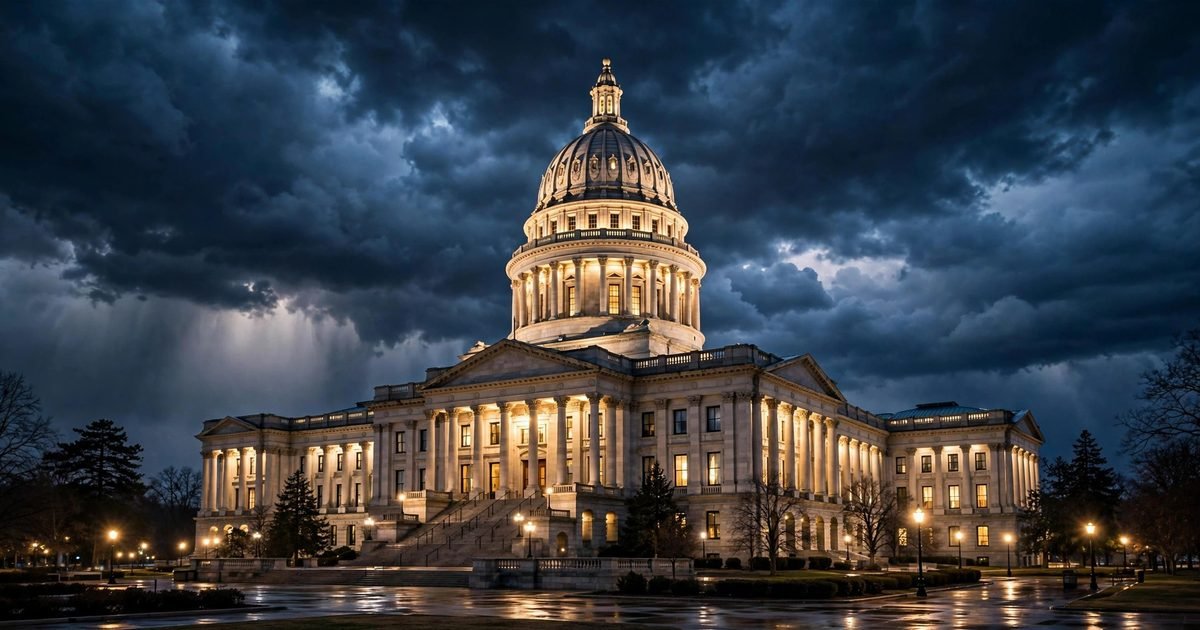
The rule of law is invoked constantly and defined rarely. Politicians praise it, autocrats claim to uphold it, and citizens assume it until it fails. But as a practical principle — not a slogan — it has a specific meaning, and the places where it holds or breaks reveal exactly what is at stake.
The core idea
At minimum, the rule of law means that power is exercised through known, stable rules applied equally — including to the rulers themselves. The classic formulation contrasts it with rule by law, where law is merely the ruler's instrument. Under the rule of law, a government that dislikes a court ruling appeals it rather than purging the judges; a police force needs legal authority for a search; contracts bind the powerful as well as the weak.
Legal theorists add institutional requirements: laws must be public, prospective rather than retroactive, reasonably clear, and actually enforced. An independent judiciary is the load-bearing wall — without courts willing to rule against the government, the rest is decoration.
Where it held
The principle proves itself in moments of stress. When courts have blocked executive overreach — striking down unlawful detentions, voiding rigged procedures, protecting journalists from retaliation — they demonstrate that the system constrains power rather than serving it. Post-war Germany's constitutional court, built explicitly as an anti-authoritarian device, is the most deliberate example: an entire legal order designed around the premise that majorities can be wrong and rights need guardians.
Where it broke
Breakdown rarely announces itself. It proceeds through captured courts, selective prosecution of opponents, emergency powers that never expire, and laws written vaguely enough to punish anyone. The pattern is recognizable across continents: the forms of legality persist — trials are held, statutes cited — while the substance drains away. Scholars call this authoritarian legalism: law as costume.
Measuring the rule of law has become an industry. Indices compiled by research institutes rank countries on judicial independence, corruption, and rights protection, and the rankings move markets: investors consult them, aid agencies condition funding on them, diplomats cite them. The measurement enterprise has critics — the indicators embed contestable judgments, and authoritarian states game them — but the trend data tells real stories. The past decade's indices show a broad, measurable decline in rule-of-law scores across regions, driven by the same mechanisms scholars describe: captured courts, weakened checks, normalized emergency powers. Numbers cannot capture everything, but they confirm what case studies suggest. The rule of law is not just an ideal to debate; it is a variable to track, and the tracking shows slippage.
The lesson is that the rule of law is not a cultural trait but an equilibrium. It holds where enough actors — judges, journalists, citizens, sometimes soldiers — refuse to go along with its violation. And it breaks, always, one accommodation at a time.
Related Stories
 Politics
How the UN Veto Shapes World Politics
Five countries can block any UN Security Council decision alone. The veto's Cold War logic, its invisible power, and why reform is structurally impossible.
 Politics
Why Political Polarization Keeps Rising
Partisans increasingly dislike and fear each other, not just disagree. The media, geographic and institutional drivers of polarization — and whether it can reverse.
 Politics
How Referendums Can Backfire on Governments
Governments call referendums expecting validation and get rebukes instead. Why direct democracy backfires — and the rules leaders keep relearning.